
 EN
EN
15 Benefits of Drawing for Child Development
2026-07-11 07:09:36
Drawing is far more than a simple childhood pastime. While many parents see it as just a fun activity, research in child psychology and early childhood development shows that drawing plays a crucial role in a child’s cognitive, emotional, social, and academic growth.
When children draw, they are not only creating pictures — they are building essential life skills. From improving fine motor control to strengthening confidence and emotional expression, drawing supports multiple areas of development at the same time.
In this complete parent’s guide, we’ll explore 15 powerful benefits of drawing for child development, along with practical tips you can apply at home.
1. Improves Fine Motor Skills
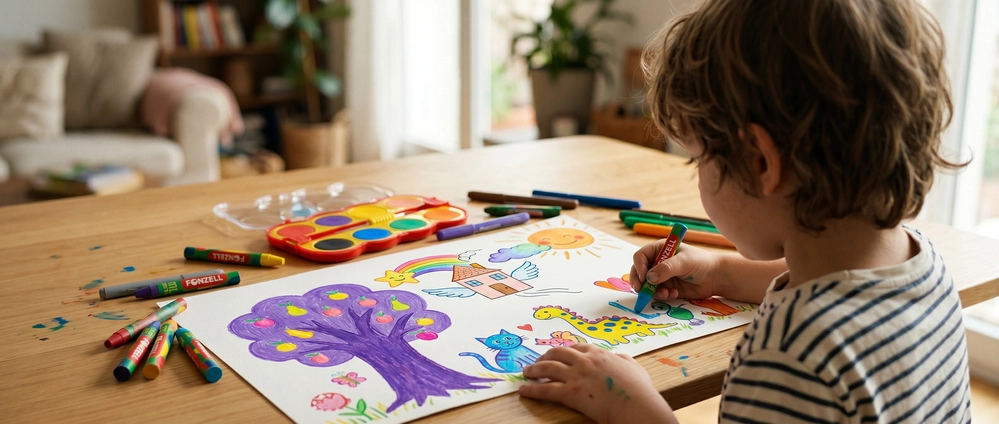
Drawing strengthens the small muscles in a child’s fingers, hands, and wrists. These muscles are essential for tasks like writing, buttoning clothes, and tying shoelaces.
Holding crayons, pencils, or markers helps children develop grip control and hand stability.
Parent Tip : For children aged 3–5, use thicker crayons or triangular pencils to make gripping easier.
2. Enhances Hand-Eye Coordination
When children draw shapes or color within lines, they coordinate what they see with how their hands move. This skill is critical not only for writing but also for sports and everyday activities.
Over time, drawing helps children become more precise and controlled in their movements.
3. Boosts Creativity and Imagination
Drawing allows children to explore their imagination freely. There are no strict rules — a purple tree or a flying house is perfectly acceptable in a child’s creative world.
When children are given creative freedom, they develop original thinking skills that benefit them later in life.
Important: Avoid correcting your child’s drawings. Let creativity grow naturally without judgment.
4. Strengthens Problem-Solving Skills
Every drawing requires decision-making:
- What should I draw?
- Which colors should I use?
- How do I fix this mistake?
These small decisions build early problem-solving abilities and critical thinking skills.
5. Builds Self-Confidence
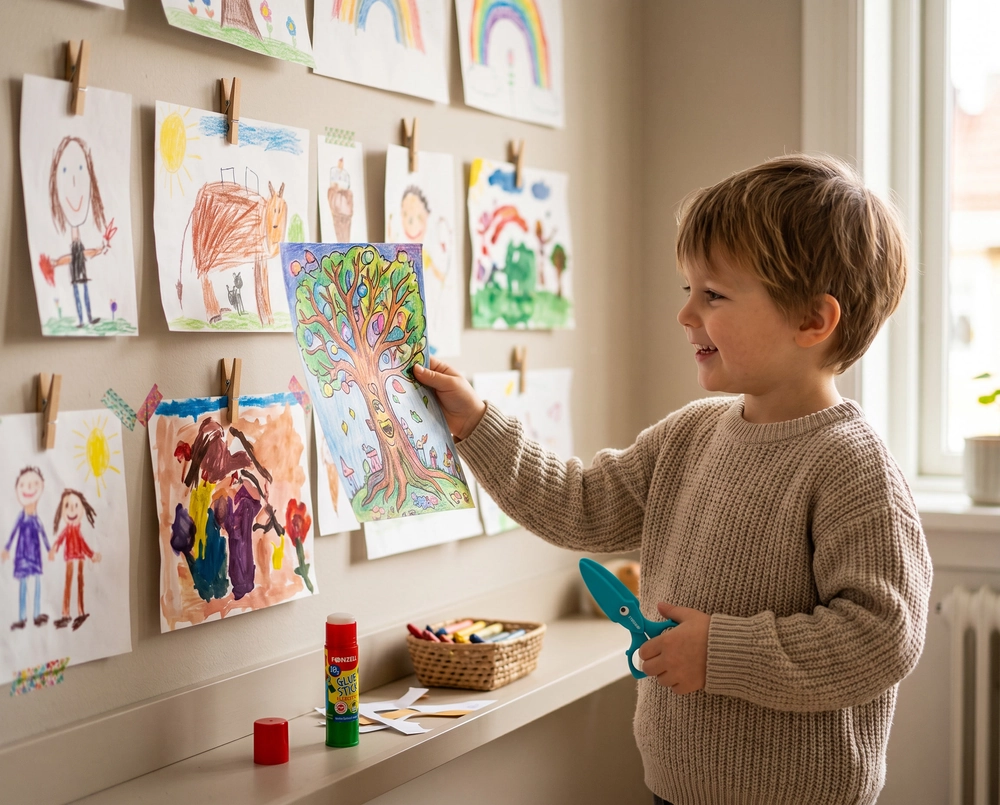
Completing a drawing gives children a sense of achievement. When parents praise effort rather than perfection, children develop stronger self-esteem.
Displaying your child’s artwork at home reinforces the message: “Your work matters.”
6. Encourages Emotional Expression
Children don’t always have the vocabulary to explain their emotions. Drawing provides a safe outlet for expressing feelings such as happiness, frustration, excitement, or fear.
Many child therapists use art as a tool to understand emotional states.
7. Supports Brain Development
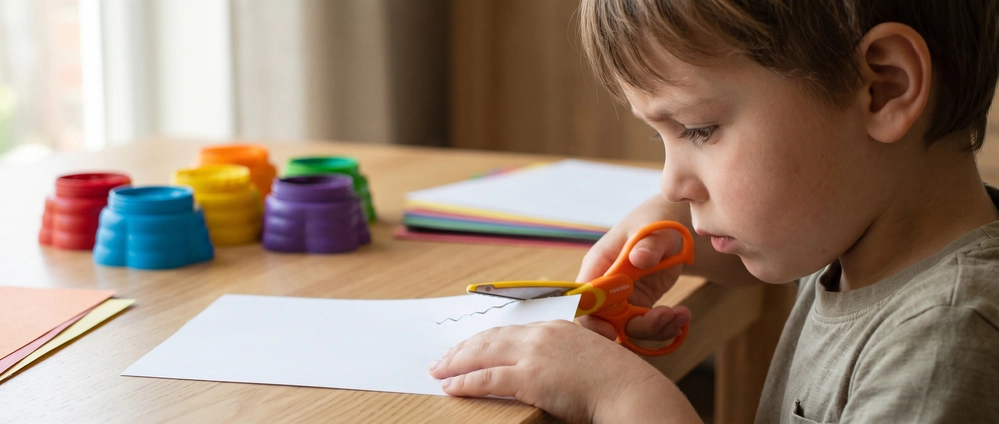
Drawing activates multiple areas of the brain at once, including regions responsible for creativity, memory, planning, and motor coordination.
This multi-sensory stimulation strengthens neural connections, especially during early childhood when brain development is rapid.
8. Improves Focus and Concentration
Completing a drawing requires sustained attention. Children learn to focus on one task and follow it through to completion.
In a world full of digital distractions, drawing provides valuable screen-free concentration time.
Parent Tip: Create a daily 20-minute “creative time” without interruptions.
9. Develops Pre-Writing Skills
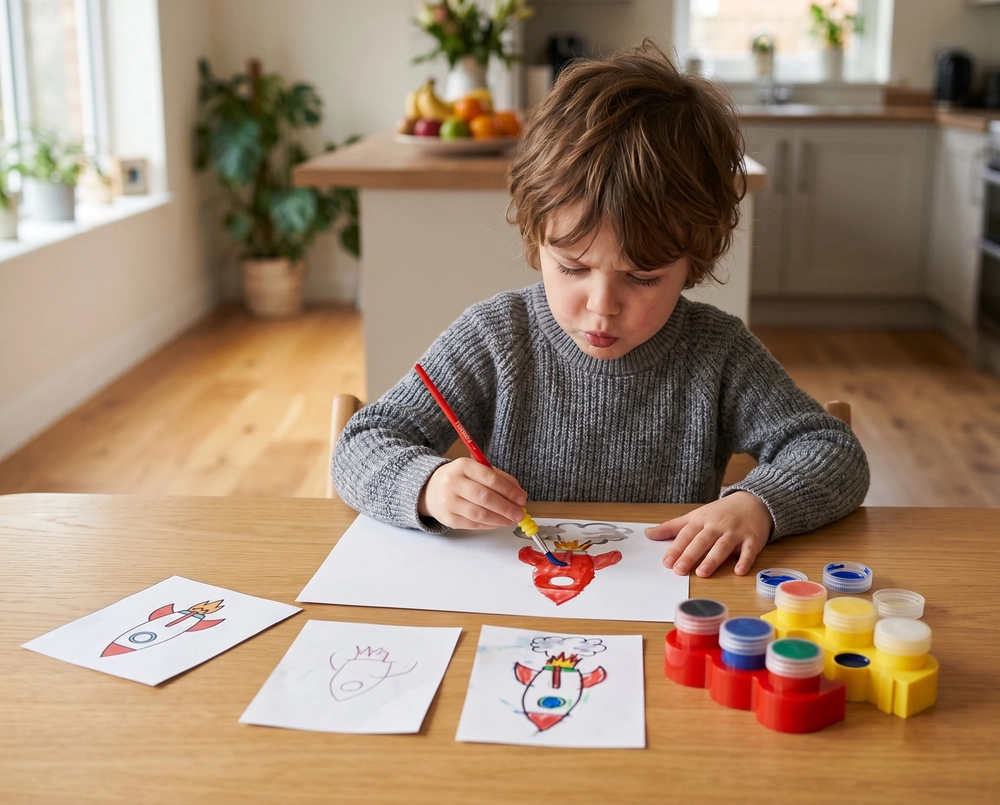
Before children learn to write letters, they must master basic strokes like lines, curves, and circles. Drawing builds these foundational skills naturally.
Children who engage in regular drawing often transition more smoothly into writing.
10. Enhances Communication Skills
When you ask your child to explain their drawing, you encourage storytelling and verbal expression.
Questions like:
- “What’s happening in this picture?”
- “Who is this character?”
help expand vocabulary and narrative skills.
11. Teaches Patience and Persistence
Drawing is a step-by-step process. Children learn that good results take time and effort.
This builds patience, discipline, and resilience — essential life skills beyond the classroom.
12. Reduces Stress and Anxiety
Art activities have a calming effect on the nervous system. Drawing can help children relax after a long school day or during emotionally challenging moments.
It provides a healthy outlet for releasing tension.
13. Strengthens the Parent-Child Bond
Drawing together creates meaningful shared experiences. Sitting side-by-side and creating art fosters connection and open communication.
Suggestion: Schedule a weekly “Family Art Night” to build stronger emotional bonds.
14. Encourages Independent Thinking
When children choose their own subjects, colors, and styles, they practice independent decision-making.
Allowing children to make creative choices builds autonomy and confidence in their ideas.
15. Supports Academic Readiness
Studies suggest that early engagement in creative activities positively impacts school readiness. Skills like concentration, fine motor control, creativity, and problem-solving directly support academic success.
Children who regularly engage in drawing often demonstrate stronger preparation for structured learning environments.
Age-by-Age Drawing Guide for Parents
Ages 3–5
- Encourage free scribbling
- Use large paper and thick crayons
- Focus on enjoyment, not accuracy
Ages 6–8
- Introduce simple drawing themes
- Practice shapes and structured coloring
- Combine drawing with storytelling
Ages 9–10
- Explore shading techniques
- Encourage creative projects
- Combine art with writing activities
How Parents Can Create a Supportive Drawing Environment
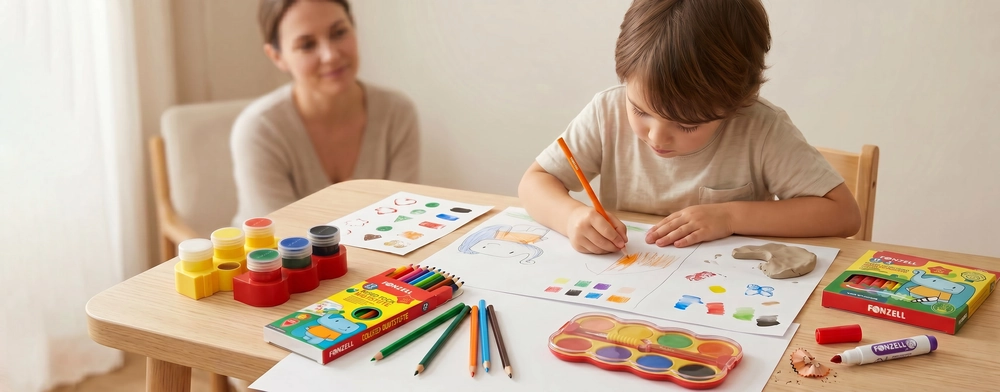
- Provide a dedicated creative space at home
- Choose safe, non-toxic art supplies
- Avoid comparing your child’s work to others
- Praise effort and creativity, not just the final result
- Allow mistakes — they are part of learning
Conclusion
Drawing is not just a hobby — it is a powerful developmental tool. From strengthening fine motor skills to building emotional intelligence and academic readiness, the benefits of drawing for child development are both wide-ranging and long-lasting.
By simply providing time, encouragement, and basic art materials, parents can support their child’s cognitive, emotional, and social growth in meaningful ways.
Encourage creativity. Celebrate effort. And most importantly, let your child enjoy the process of creating.
Frequently Asked Questions
At what age should a child start drawing?
Children can begin scribbling as early as 18 months. Early mark-making is an important developmental milestone.
How often should kids draw?
Ideally, children should engage in drawing or creative activities several times per week. Even 15–30 minutes daily can make a significant difference.
Can drawing improve intelligence?
While drawing alone doesn’t increase IQ directly, it strengthens cognitive skills such as problem-solving, creativity, and focus — all of which support overall intellectual development.
Is digital drawing as effective as paper drawing?
Digital drawing has benefits, but traditional drawing on paper is more effective for developing fine motor skills and hand strength.
Your Comment
15 Benefits of Drawing for Child Development