
 EN
EN
10 Powerful Ways to Boost Children’s Self-Confidence with Drawing | Parents’ Guide
2026-07-11 10:39:49
Powerful Ways to Boost Children’s Self-Confidence with Drawing | Parents’ Guide
Introduction: The Role of Art in a Child’s Personality Development
Children need effective tools to express their feelings, thoughts, and imagination as they grow. One of the simplest yet most powerful tools is drawing. Art not only helps children release emotions but also acts as a bridge
to build self-confidence and self-esteem.
Drawing as a Tool to Strengthen Self-Confidence
The Importance of Expressing Emotions Through Drawing
Children often struggle to put their emotions into words. Drawing gives them a safe and judgment-free space to communicate what’s in their hearts and minds. This freedom of expression nurtures their confidence
Uncovering Hidden Talents Through Drawing
Every line, shape, or color a child puts on paper reflects part of their creativity. When parents and teachers recognize and encourage these talents, children feel valued—boosting their self-confidence
The Power of Colors and Shapes in Building Self-Belief
Colors are like a child’s language. Having the freedom to choose their own colors gives them a sense of independence, which strengthens their belief in themselves .
How Does Drawing Build a Child’s Confidence?
Experiencing Small Successe
Each time a child completes a drawing, no matter how simple, it counts as a small achievement. Over time, these small wins add up and create a .stronger sense of self-belief
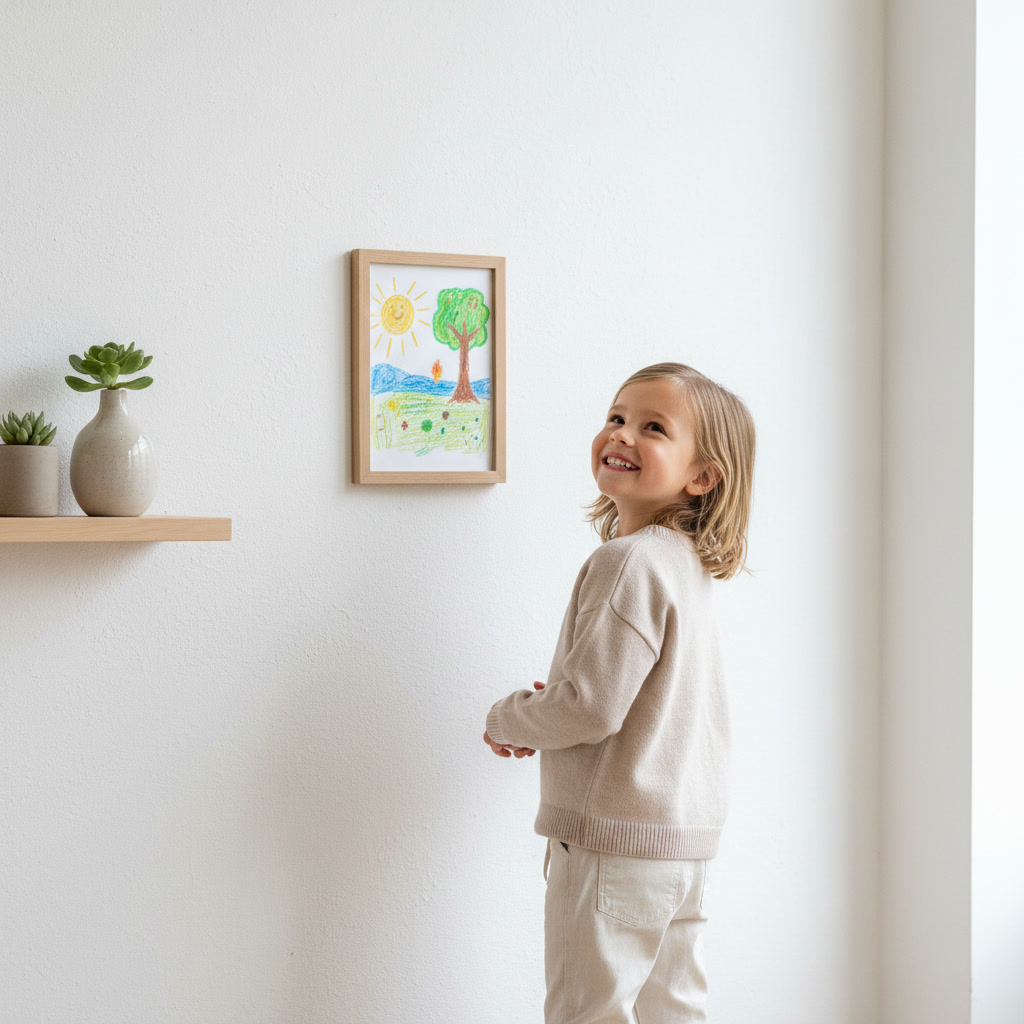
Creating a Sense of Ownership and Value
When parents hang a child’s artwork on the wall or keep it in a special place, the child feels proud and important. This recognition dramatically boosts their confidence.
The Role of Encouragement from Parents and Teachers
Timely encouragement is key. Positive feedback from parents and teachers reassures children that their efforts matter, motivating them to keep
Drawing and Stress Reduction in Children
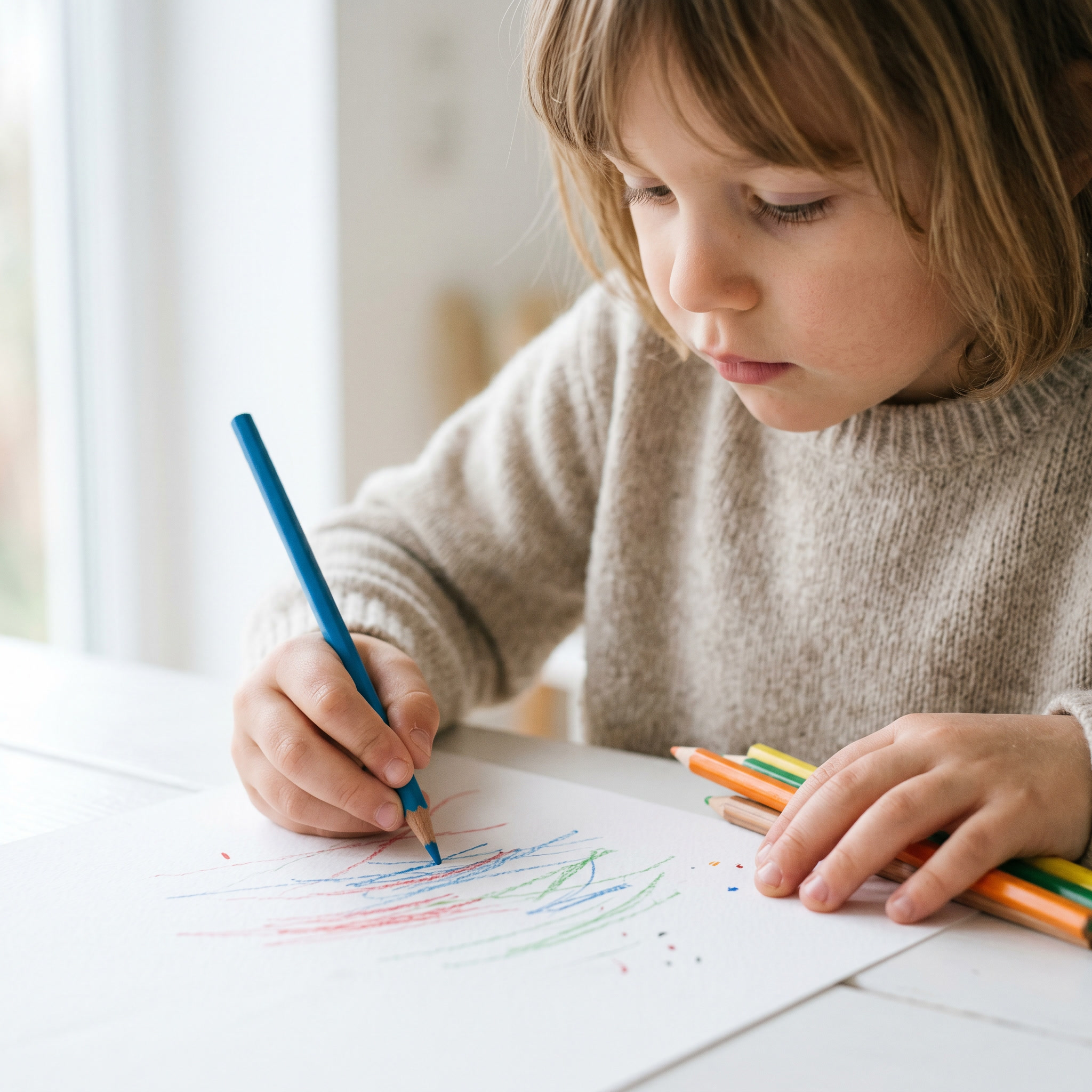
Art as a Tool for Calming the Mind
Drawing can feel like a form of meditation for children. While coloring and sketching, their minds naturally shift away from stress and worries, creating inner peace
The Connection Between Reduced Anxiety and Confidence
When stress and anxiety decrease, children interact more easily with their surroundings.This calmness helps them face challenges with more confidence.
The Role of Parents in Using Drawing to Build Confidence
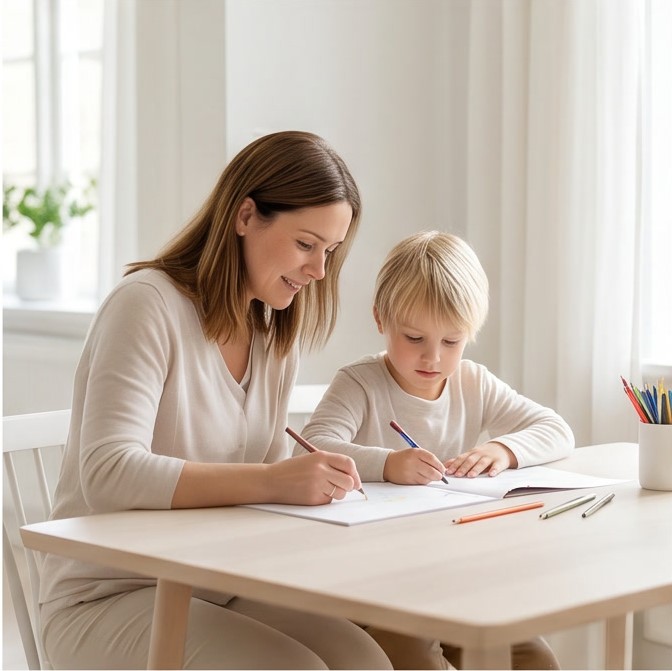
Creating the Right Environment for Drawing
Providing a small table, paper, and crayons at home gives children a safe, .welcoming space to explore their creativity without limits.
The Importance of Parental Involvement
When parents sit with their children and draw together, it shows children that their work is taken seriously. This shared activity strengthens both confidence and emotional bonds.
How Positive Feedback Strengthens Confidence
Instead of criticizing or comparing, parents should use encouraging words like “I love the colors you chose” or “That’s such a creative idea.” This type of positive .reinforcement directly boosts a child’s self-esteem.
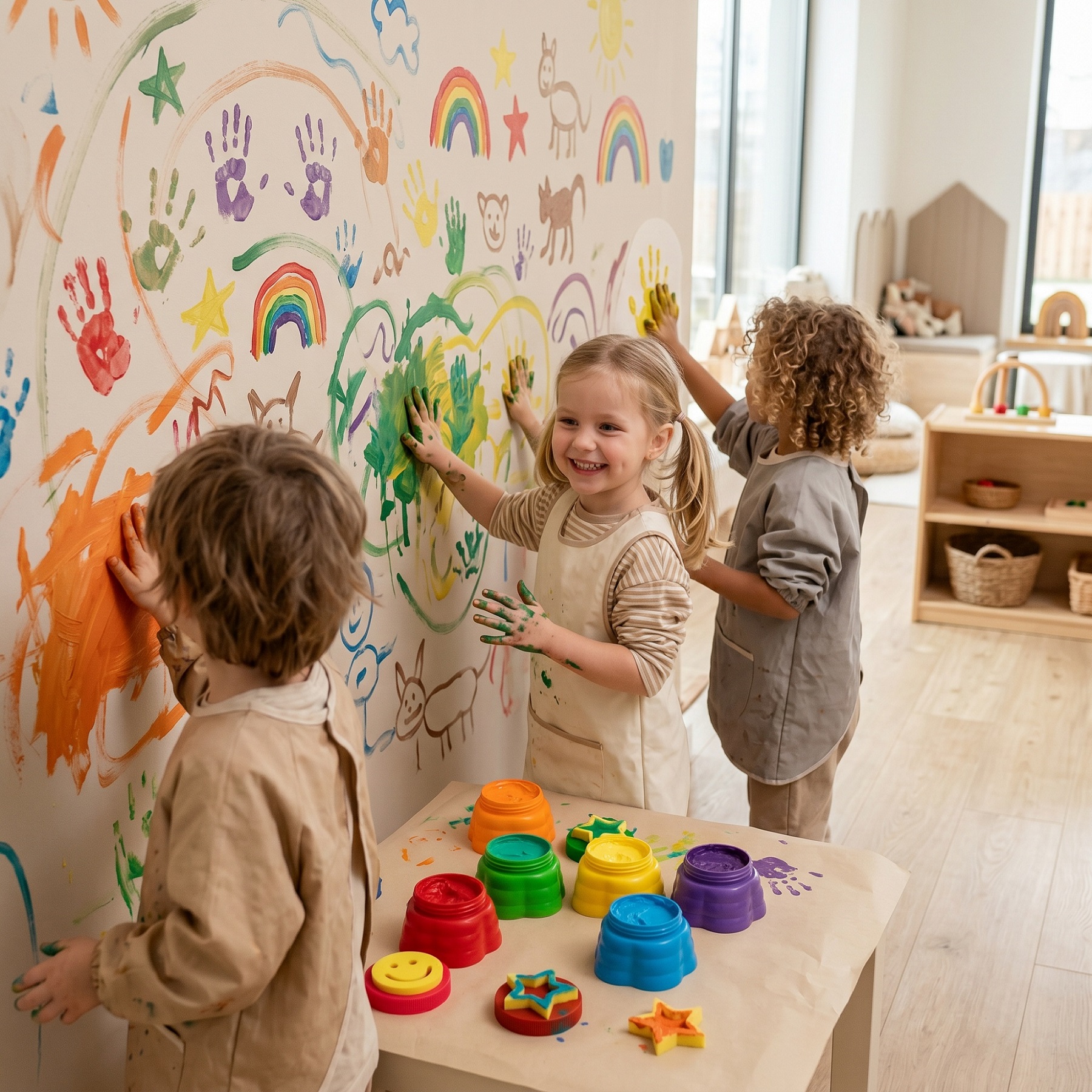
Practical Tips for Using Drawing in Personality Development
• Choose safe and simple tools like crayons, markers, and watercolor paints
• Display your child’s artwork at home or even at school
• Encourage participation in group drawing sessions to improve social skills and teamwork
Your Comment
10 Powerful Ways to Boost Children’s Self-Confidence with Drawing | Parents’ Guide